Unspoken Words, Unhealed Wounds Remain
The doorbell rings, a small, insistent chime that always seems to arrive at precisely the worst possible moment. It’s my grandson, Daniel, visiting for the w...

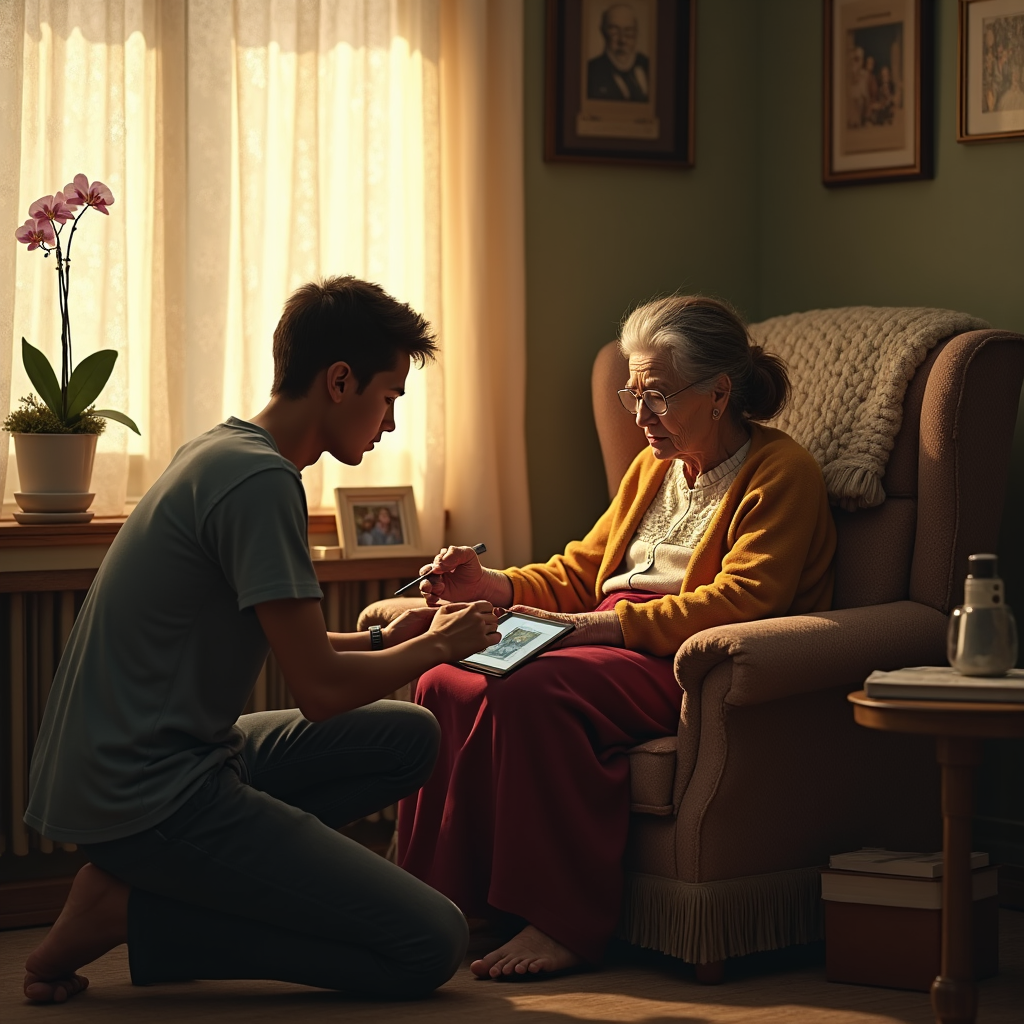
The doorbell rings, a small, insistent chime that always seems to arrive at precisely the worst possible moment. It’s my grandson, Daniel, visiting for the weekend. Bless his heart, he’s trying so hard – really is. But you know how it goes, doesn't it? A few hours spent with family and suddenly, I find myself back in that old room, the one filled with the ghosts of unspoken words and disappointments. It wasn’t always this way, you understand. There were years, many of them, where I felt strong, grounded, like a sturdy oak weathering any storm. But life, as it tends to do, has a knack for reminding you of things you’d rather keep buried.
It's not that my family was *bad*, exactly. More… complicated. My father, a good man at his core, simply couldn’t express affection the way I needed him to. And my mother? She meant well, truly she did, but her responses were often sharp, critical – little stabs disguised as gentle advice. I learned early on that showing vulnerability was akin to inviting trouble, and that holding my tongue was a survival skill. It's funny, isn’t it? How the things we learn in childhood become so deeply ingrained within us, shaping our very reactions long after we think we've outgrown them.
I’ve come to realize that these “triggers,” as they call them – and I hate that clinical term – aren’t about my family’s actions, not really. They’re about *me*, about the unresolved needs, the unhealed wounds that remain stubbornly open. It's like a key turning in an old lock, and suddenly all those forgotten feelings rush back with a force that takes me completely by surprise. The tears come easily then, of course, and sometimes I find myself saying things I immediately regret, echoes of a younger self trying desperately to be heard, to be seen.
It’s not fair, I know, to hold others responsible for the way we feel. But it *is* fair to acknowledge that patterns are powerful things, especially when they're rooted in our earliest experiences. I try now to recognize those familiar currents before they pull me under, to step back and simply observe without judgment – a practice my faith encourages. It’s about accepting where I’ve been, rather than being consumed by it.
Setting boundaries, of course, is crucial. Not as an act of defiance, but as an act of self-preservation. It’s not about changing them; that's impossible, isn't it? But it *is* about protecting my own peace of mind. It’s a quiet declaration – "This is where I draw the line,” – and holding firm to it, even when it feels uncomfortable or met with resistance.
There have been times when I've wanted to simply walk away, to shut the door and pretend they weren't there. But I’ve learned that retreat isn’t always the answer. Sometimes, the greatest healing comes from facing those difficult emotions, even if just for a little while. It's like tending a garden - weeding out the painful memories so new growth can flourish.
The important thing is to be kind to yourself during these moments of regression. Don’t beat yourself up for feeling what you feel. Acknowledge it, accept it, and then gently redirect your focus back to the present. Remind yourself that you are strong, capable, and worthy of love – precisely as you are, imperfections and all.
And you know, amidst the occasional triggering moments and the poignant reminders of my past, there’s a strange sense of gratitude. Gratitude for the lessons learned, for the resilience I’ve developed, and for the unwavering faith that guides me through it all. It is good to have had the chance to grow in understanding what shapes us, and how we may navigate those complicated relationships with love and intention.